
Behavior
Why Do Dogs Lick You?
Dogs use many nonverbal methods to communicate with you, one of which is licking. The act of licking is a common way for dogs to express their instinctual needs, feelings, and desires — to both humans and other animals. While licking may seem to be a simple social action, there’s a wide range of reasons that lead your dog to lick. Read on to learn more about why dogs lick and what this behavior may mean.
Read more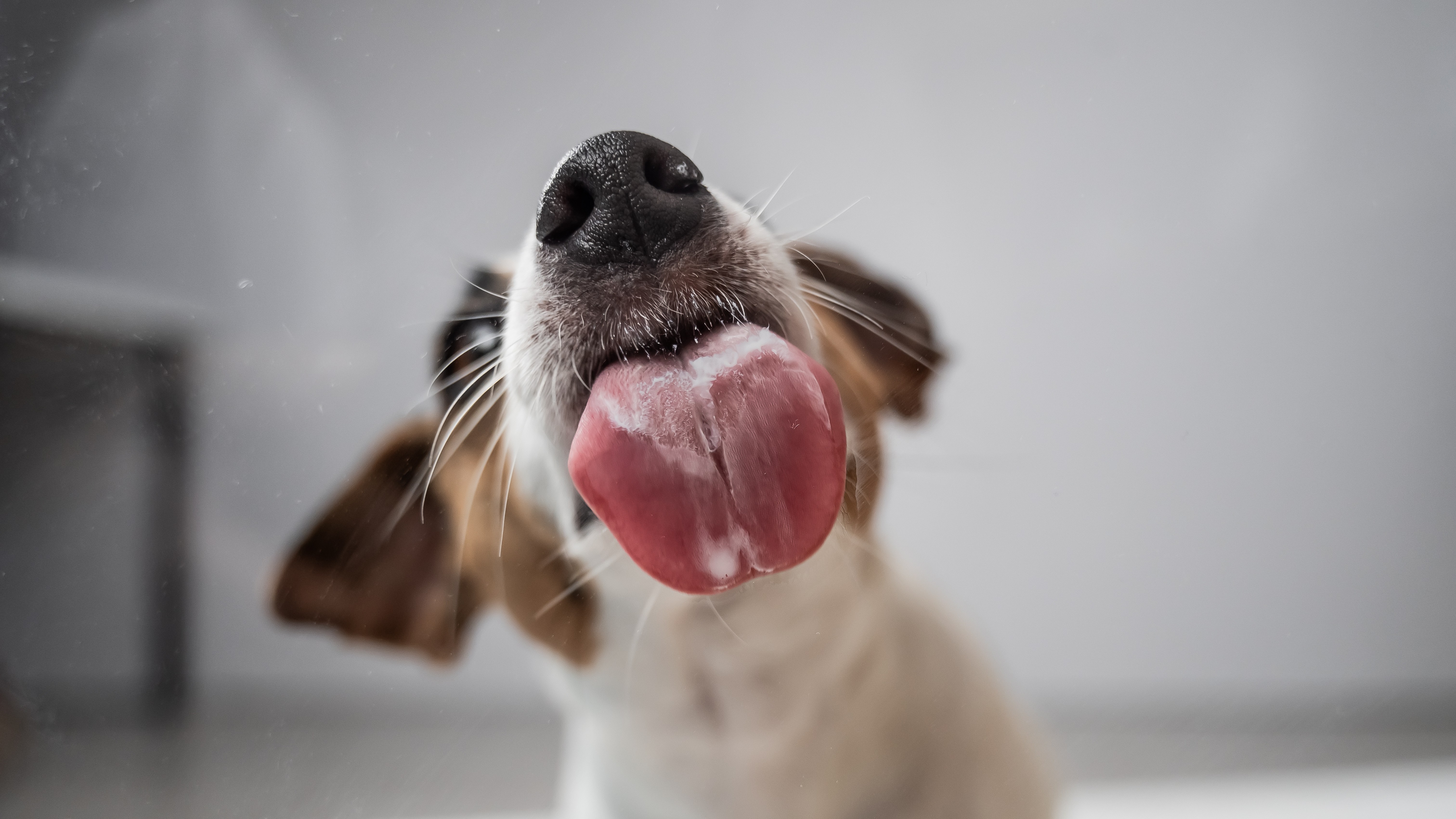
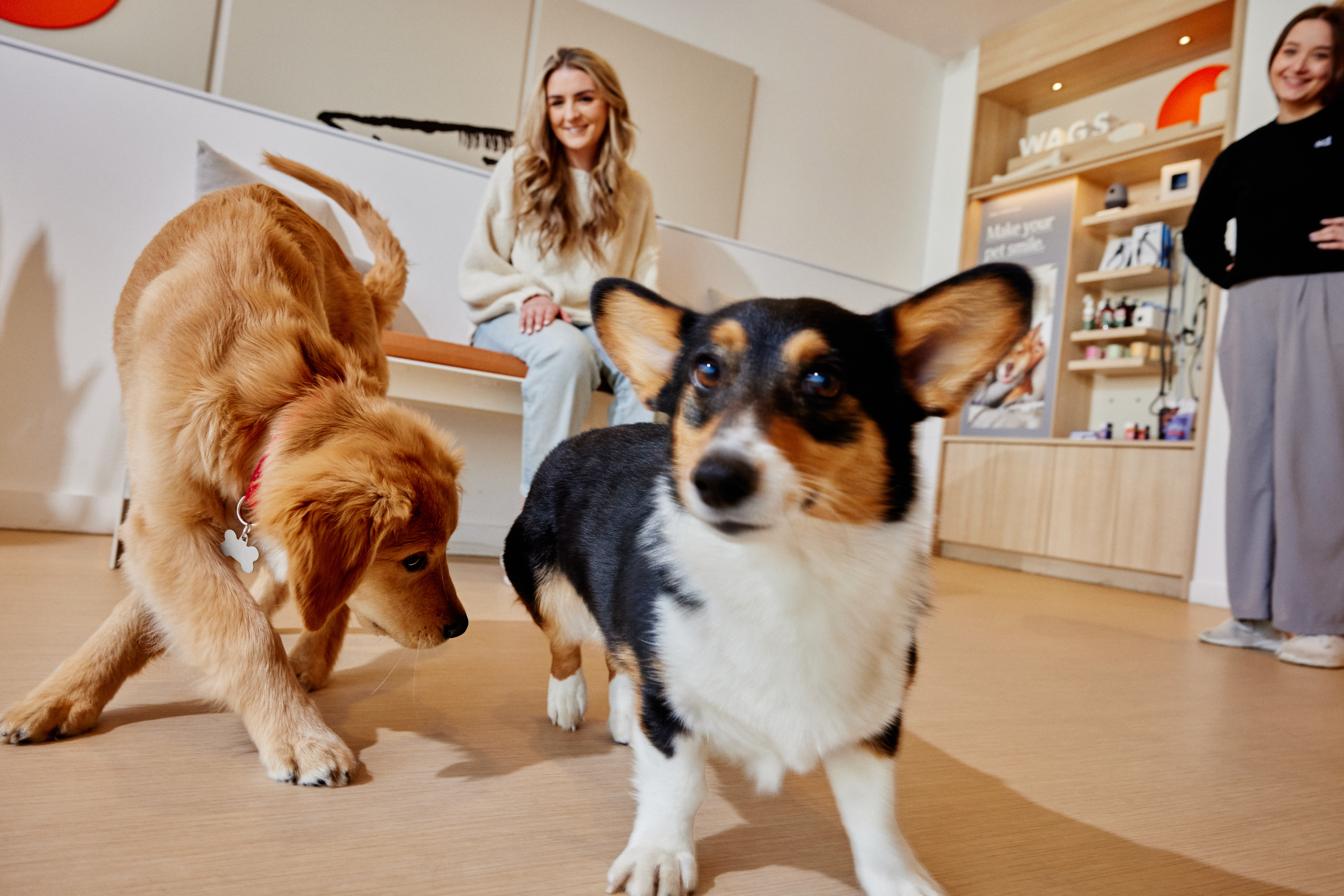
The Importance of Puppy Playgroups: Why Socialization Matters
Welcoming a new puppy into your home is an exciting and rewarding experience. In these early weeks of their lives, proper socialization is key to helping them grow into confident, well-adjusted adult dogs. Small Door Veterinary’s Puppy Playgroup provides a structured, safe environment where puppies can develop essential social skills under professional supervision.
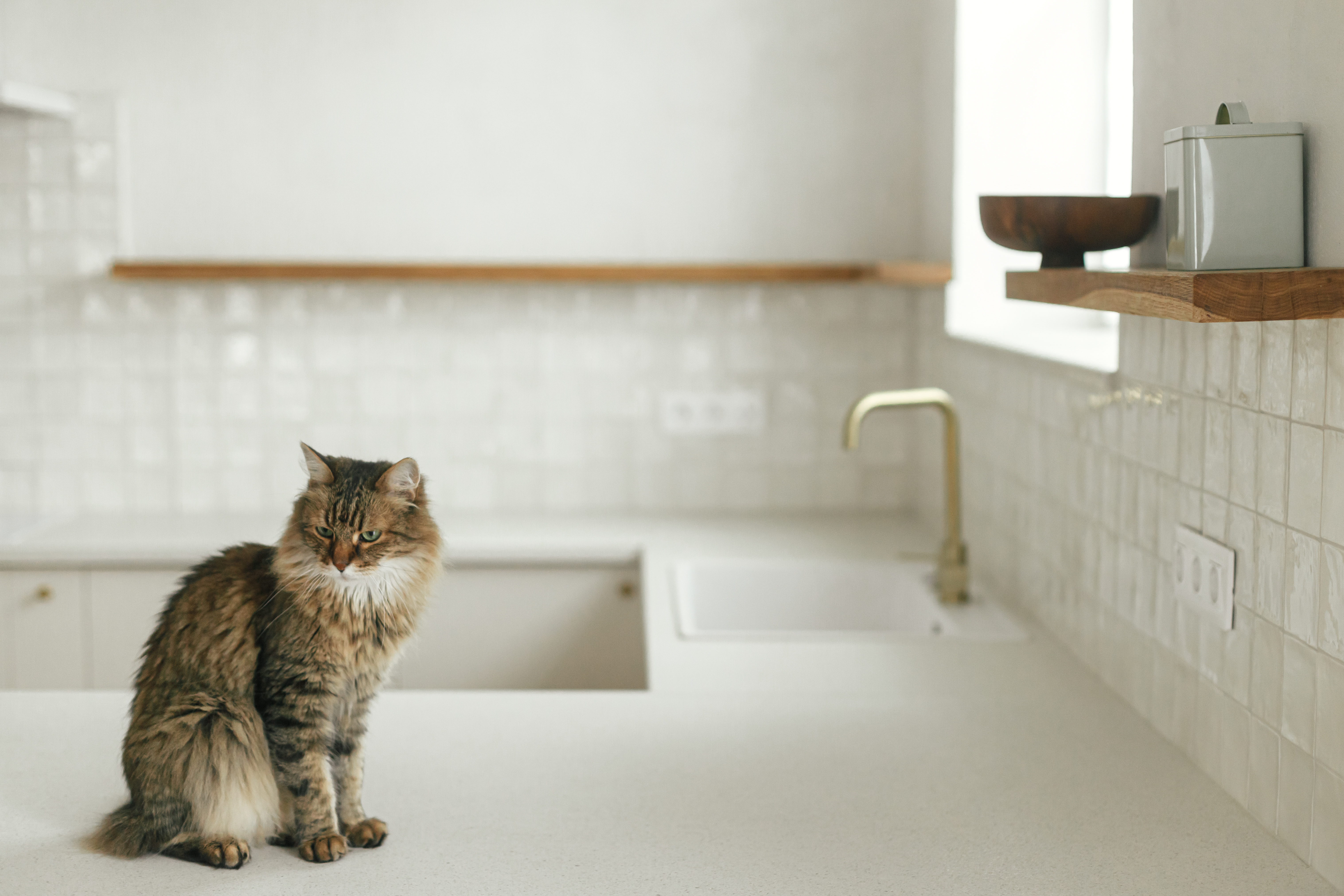
How to Keep Your Cat Off the Countertop
Instinctively, cats are climbers and love being high up off the ground. In the wild, cats love to explore vertical spaces, and they will often climb trees, rocks, or other objects in search of the perfect perch. But what do you do if your cat has started using your counter as their preferred space for climbing? Read on to learn more about this behavior and the steps you can take to keep your cat off the counter.

Destructive Behavior in Dogs
Dogs are known to occasionally engage in destructive behaviors, such as chewing on shoes, scratching pillows, raiding the garbage, digging up plants, or stealing a sock from the laundry. There are ways to treat and prevent destructive behaviors, but first, you’ll need to determine what provokes these tendencies.
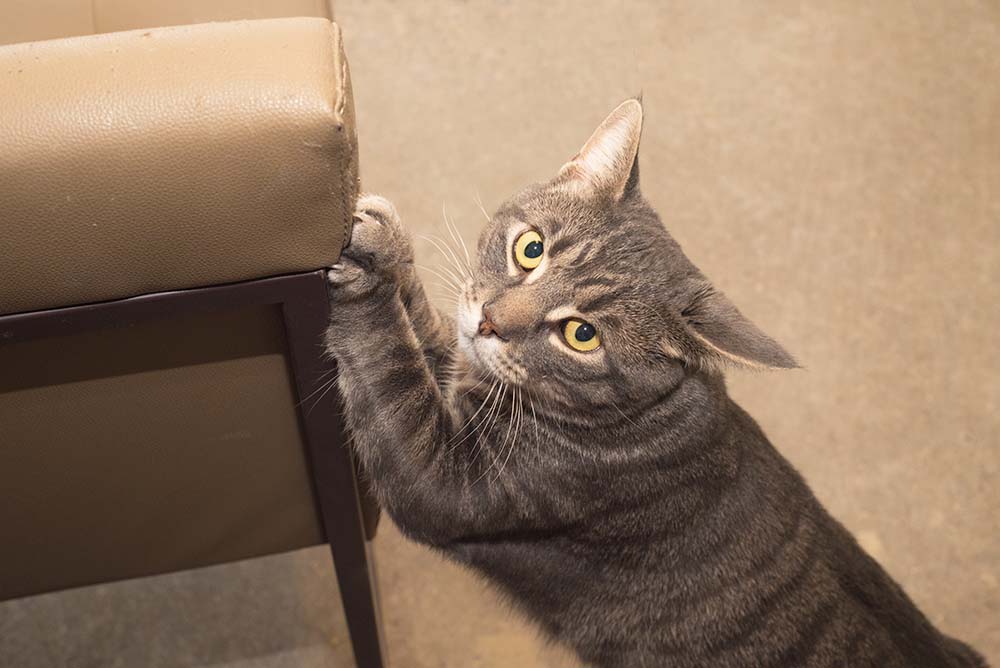
How to Stop Cats Scratching Furniture
All cats engage in scratching for a variety of reasons. The instinctive urge to scratch can become a problem for some cats when they start targeting furniture and valuable household items. Fortunately, there are many ways that cat parents in this situation can resolve the issue. The first step is to create or buy scratching posts that your cat can use instead of the couch or carpet. Then, you’ll need to create an environment where your cat prefers scratching the posts over other household items. This enrichment of your cat’s environment will help improve the issue.

Resource Guarding in Dogs
Resource guarding occurs when dogs exhibit aggressive behaviors, such as barking, biting, and lunging, over food or toys. Resource guarding can stem from fear and anxiety, frustration, and territoriality. It’s important to identify this behavior early and use proper training techniques to improve it.
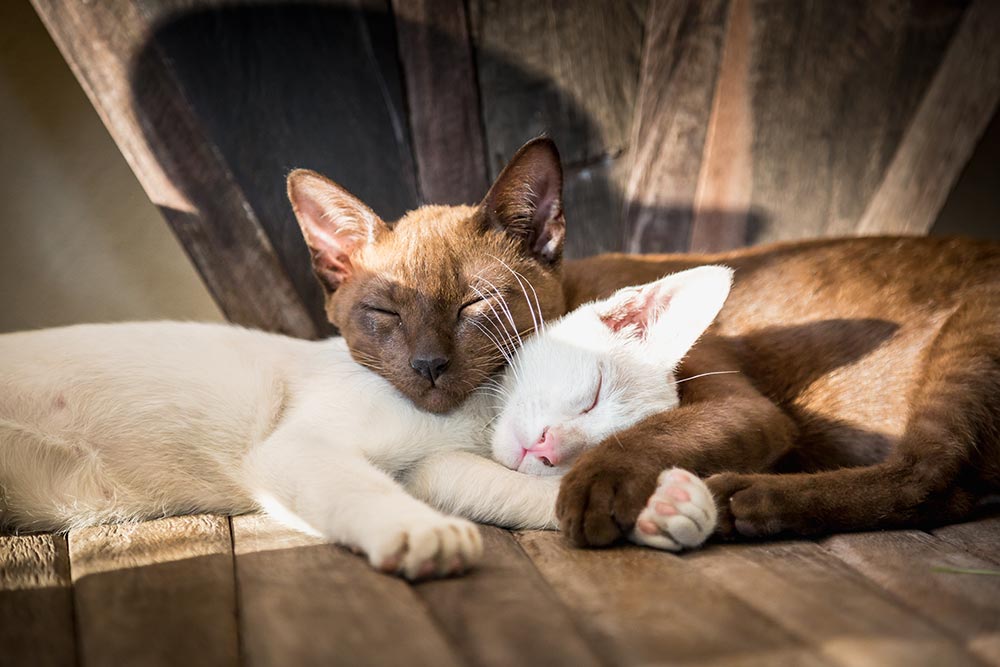
Calming Pheromones for Cats and Dogs
Pheromones are natural chemicals released by animals (and people) that help members of the same species to communicate. Pheromone diffusers, sprays, and other products mimic these chemicals to help keep pets calm and relaxed.

Managing Anxiety in Dogs
Anxiety is a very real, common emotion that dogs experience. While it’s difficult to see our furry friends exhibit distress, these feelings are normal responses to the triggers that cause them in the first place. Read on for common sources of anxiety in dogs, and different ways to manage those emotions.

Discouraging Unwanted Behaviors in Cats
While training is traditionally associated with dogs, it’s equally important to work on instilling good behaviors in a new cat, and discouraging unwanted ones, such as inappropriate scratching, biting, inappropriate climbing, aggression, territorial behaviors and urine marking. With practice and patience, your cat can learn to behave appropriately and positively, ensuring they remain well-mannered as they grow older.

How to Stop Your Dog from Pulling on the Leash
One of the most common complaints among dog owners is leash-pulling. We all dream of the day our dog can walk perfectly by our side—no yanking, no leash wrapping around strangers’ legs, and no tug-of-war tussle on the sidewalk… As frustrating as this behavior may be, it helps to remember that walks are typically the most exciting times of the day for a dog. They’re naturally keen to explore all the new smells and people, but it can be difficult to know how to keep that enthusiasm in check. So check out our tips below to learn how to stop your dog from pulling on the leash!
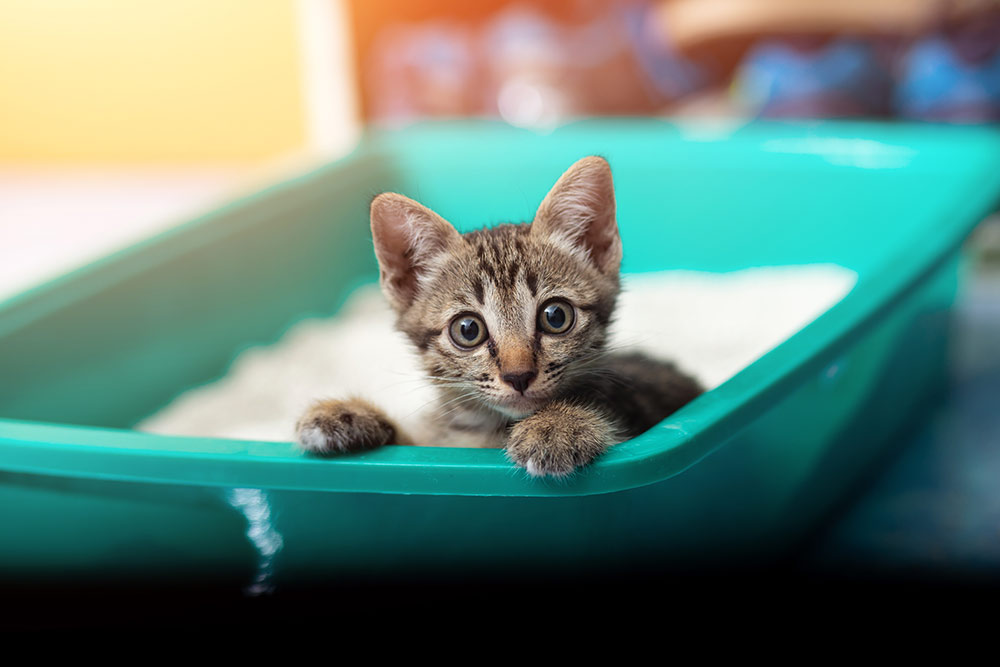
How to Litter Train Your Cat
Many young cats learn to use litter boxes from their mother, and as the instinct to bury their feces is quite strong, many cats will naturally gravitate towards the litter box to do their business. However, some cats may need a little help learning where to go.
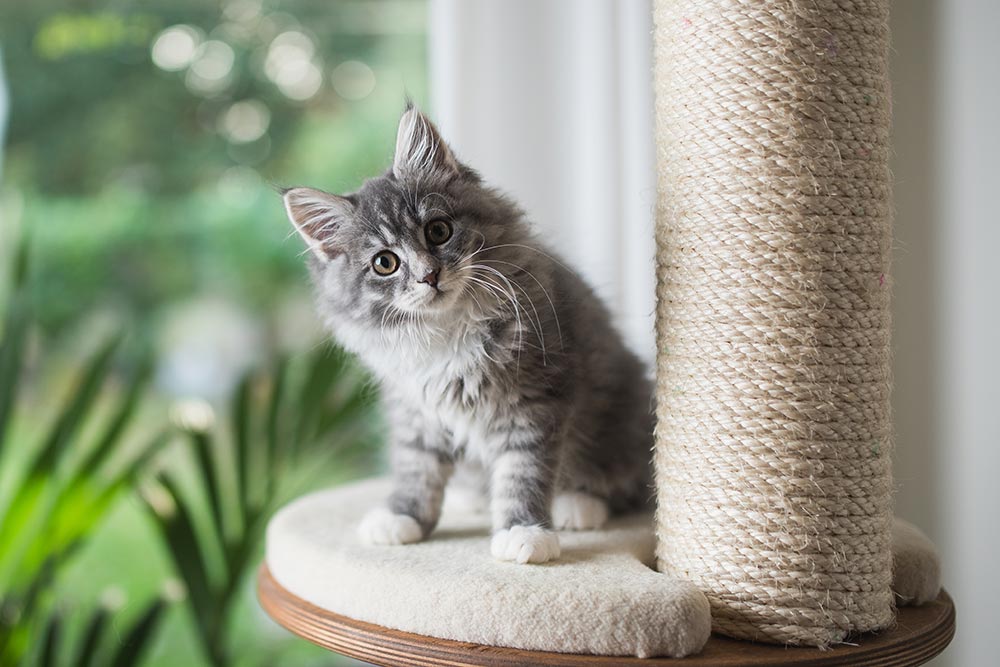
Kitten 101: Creating Positive Behaviors
Instilling good behaviors in your new kitten takes practice and patience. It’s important to be consistent and make sure they learn appropriate, positive behaviors to grow into a well-mannered adult cat. There are four key processes you can use to help your kitten learn these good practices: socialization, habituation, stimulation, and training.
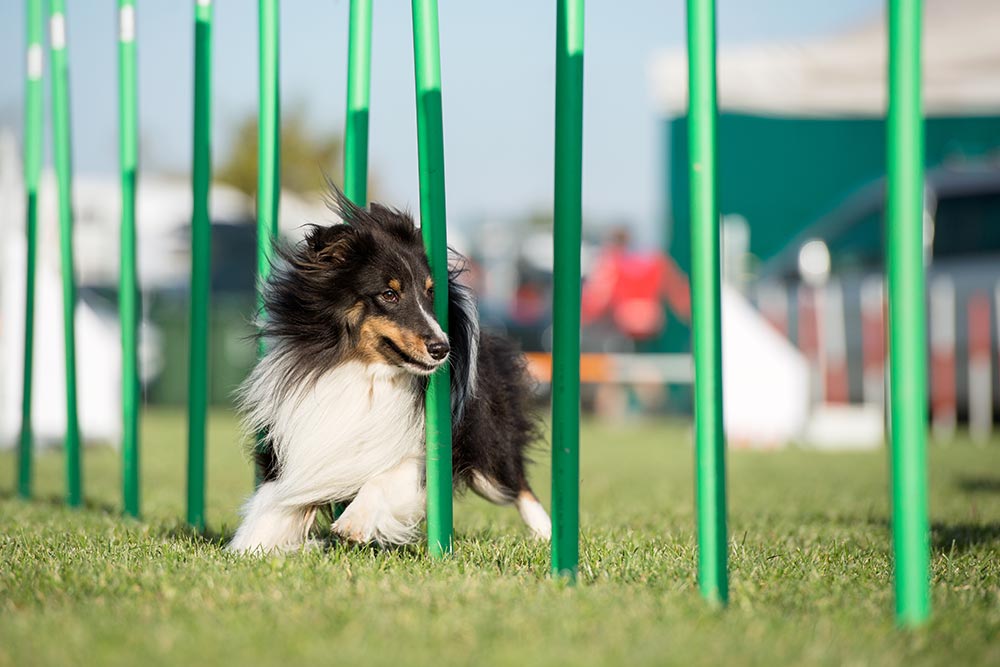
How to Teach Your Dog Agility
If you’ve ever seen dog agility on TV, you’ll know it’s a fast-paced, exhilarating challenge for dogs and their owners. But as fun as it is to watch, it’s even more fun to put into practice with your dog!

Preparing Your Pet for a Vet Visit
Not many people like going to the doctor, but at least we understand when and why it’s necessary. You can’t say the same for animals—which is why going to the vet can be at least as unpleasant for them as a doctor’s visit is for us. But read on for tips on how you can prepare your cat or dog for a vet visit, and make it as stress-free as possible. (For both of you!)
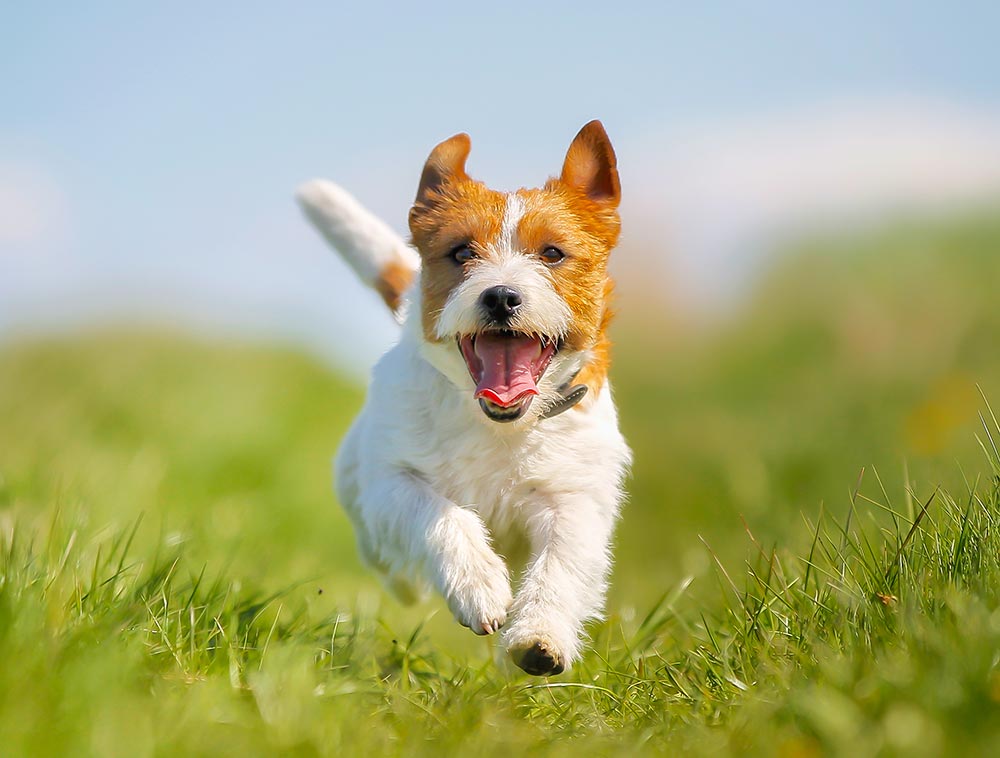
Recall: How to Train Your Dog to Come Back
Teaching your dog good recall skills is essential. Knowing she’ll come back when called means you can give her more freedom to roam and sniff on walks without putting her in undue danger. In fact, recall is a skill that may even save her life one day. But when it comes to training your dog in recall skills, where should you start? Read on for tips and strategies.
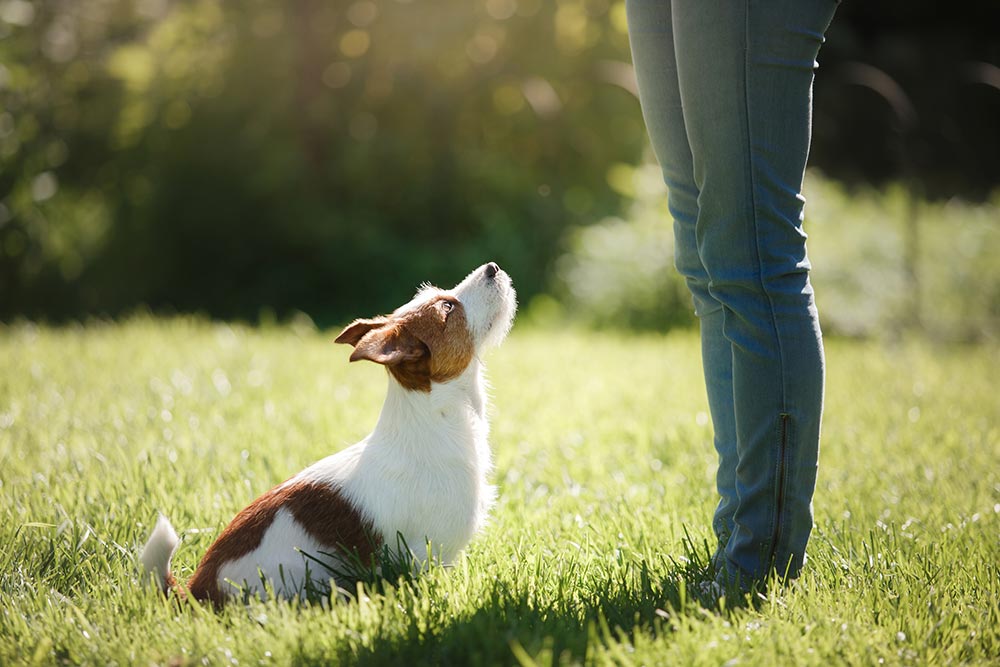
Top 10 Dog Training Tips
One of the most important and rewarding things you can do as a pet parent is to train your dog well, but it’s often hard to know how to get started. Since January is national Train Your Dog Month, we thought we’d share some handy tips to help you and your pup get going.

Puppy 101: Positive Reinforcement Dog Training
If you think training your new puppy has to be all about strict discipline and “tough love,” relax: positive reinforcement training is not only effective, it’s also gentle and doesn’t involve yelling or punishment. Read on to learn more about positive reinforcement, and why it’s such an effective method for promoting good behavior.
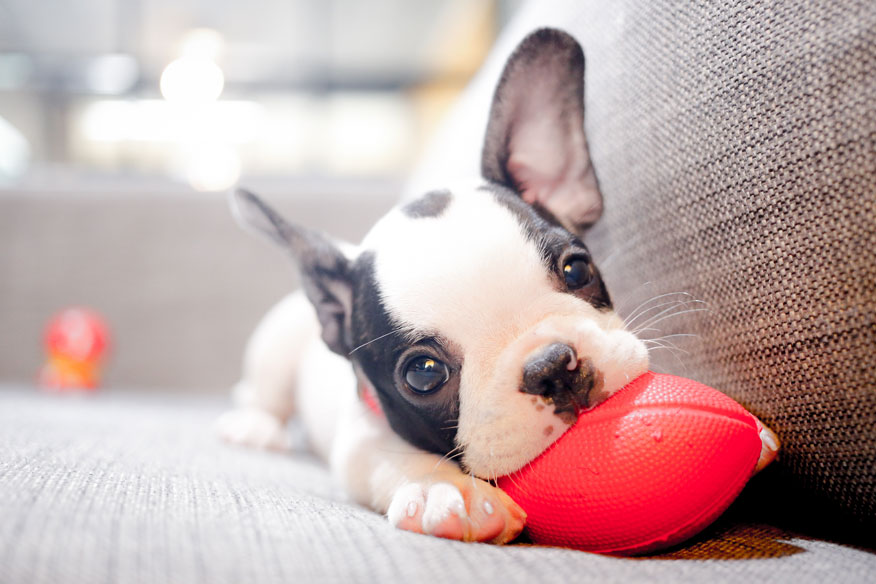
Puppy 101: Creating Positive Behaviors
Most pet parents adore their new puppies unconditionally, but sometimes behavioral issues can get in the way of puppy love. That’s why it’s important to lay the groundwork for positive behaviors as early as possible. Read on to learn about four key processes you can employ to help your pup become an obedient, tolerant adult dog: socialization, habituation, stimulation, and training.
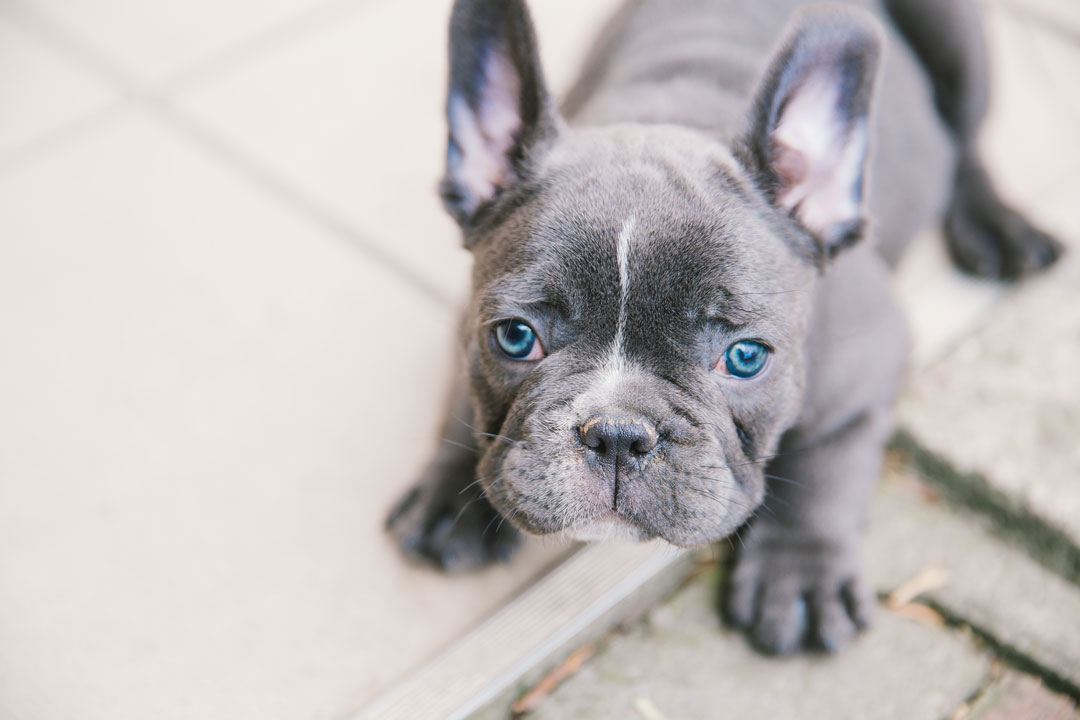
How to House Train and Crate Train a Puppy
If you’ve recently brought a new puppy into your house, it’s time to start the process of housetraining them! Getting your pup to do their business in the right spot can be frustrating, even for a seasoned pet parent, but read on for tips on how to housetrain with a minimum of fuss, mess, and stress.

Bringing Your New Baby Home to Your Pet
Bringing a new baby home for the first time is exciting. But what about your “first” baby—the one with four legs and a tail? Introducing a new family member to the home can be challenging, especially if your pet is territorial. Read on for some helpful vet-recommended tips to ease the transition.

Separation Anxiety in Dogs
Separation anxiety in dogs can cause pet owners an incredible amount of frustration. However, understanding the underlying causes of it may help mitigate some frustration, as well as providing owners with the information they need to manage and treat their dog’s condition.