
Medical
Coughing in Cats
Has your cat ever had a coughing episode that made you wonder why? While an occasional cough can be normal, frequent or ongoing coughing may signal an underlying problem in your cat’s respiratory system. Read on to learn what causes coughing in cats, how it’s diagnosed, and what treatment options are available.
Read more

Gabapentin in Cats
Gabapentin is a prescription medication that can help treat many different conditions in cats, ranging from seizures to chronic pain to anxiety. Read on to find out how gabapentin works and when your veterinarian may recommend it for your cat.
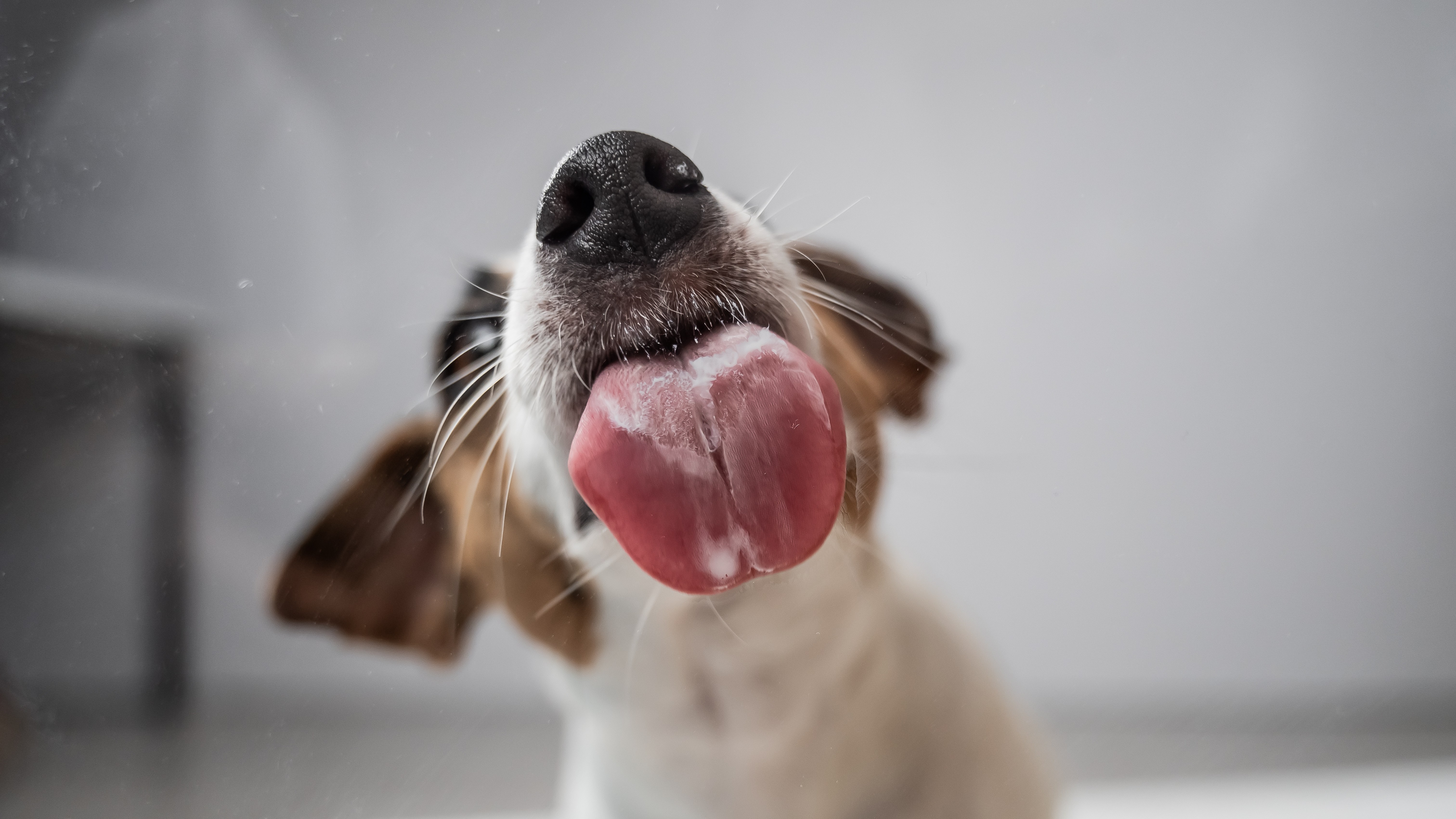
Why Do Dogs Lick You?
Dogs use many nonverbal methods to communicate with you, one of which is licking. The act of licking is a common way for dogs to express their instinctual needs, feelings, and desires — to both humans and other animals. While licking may seem to be a simple social action, there’s a wide range of reasons that lead your dog to lick. Read on to learn more about why dogs lick and what this behavior may mean.

The Ultimate Guide to Pet Dental Health
Good dental health is essential for your pet’s overall well-being, yet it’s often overlooked. Just like humans, pets can suffer from plaque buildup, gum disease, and tooth decay, leading to pain, difficulty eating, and even systemic health issues affecting their heart, kidneys, and liver. Periodontal disease is one of the most common medical conditions in pets, affecting over 80% of dogs and 70% of cats by age three. The good news? It’s preventable. Regular professional cleanings, at-home dental care, and early detection of problems can help keep your pet’s mouth healthy and pain-free. This guide covers everything you need to know about pet dental care, from recognizing signs of dental disease to understanding the importance of anesthesia-assisted cleanings and at-home maintenance tips. Read on to ensure your pet enjoys a lifetime of healthy smiles.

Winter Pet Safety: Tips to Keep Your Pets Warm and Healthy in Freezing Temps
Winter can be tough on pets, with cold weather posing risks like hypothermia, frostbite, and exposure to toxic de-icing chemicals. Pets need extra care during the colder months to stay safe and healthy. Here's a complete guide to keep your furry friends warm and comfortable this winter.
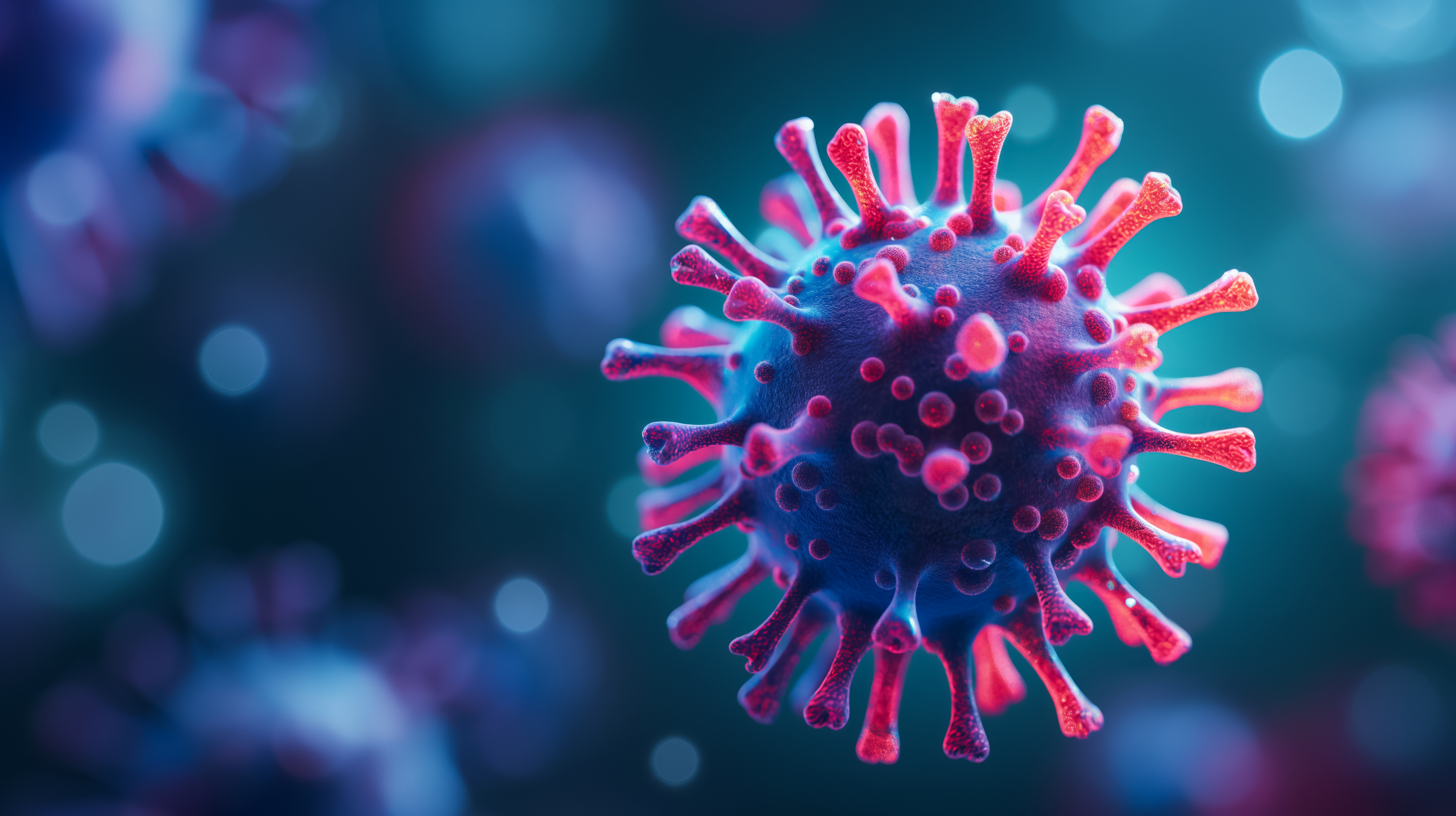
Avian Influenza (H5N1) and Cats: What You Need to Know
Recent developments regarding avian influenza (H5N1), also known as bird flu, have raised concerns for pet owners. While rare, domestic cats can contract H5N1 under certain circumstances. Here’s everything you need to know about protecting your pets.

Trazodone for Dogs
Feelings of fear and anxiety in your canine may lead to behavioral issues, and they’re reported to affect about 44% of dogs at some point in their lives, according to researchers in the Journal of Veterinary Behavior. Noise phobias appear to be one of the more common triggers. Trazodone, an oral medication often used to treat such conditions in dogs, is a helpful tool when treating short-term situational anxiety from these phobias and long-term anxiety in some dogs. Dog owners may wonder if trazodone is safe for dogs. Read on to learn more about trazodone and what the medication is used for in dogs.
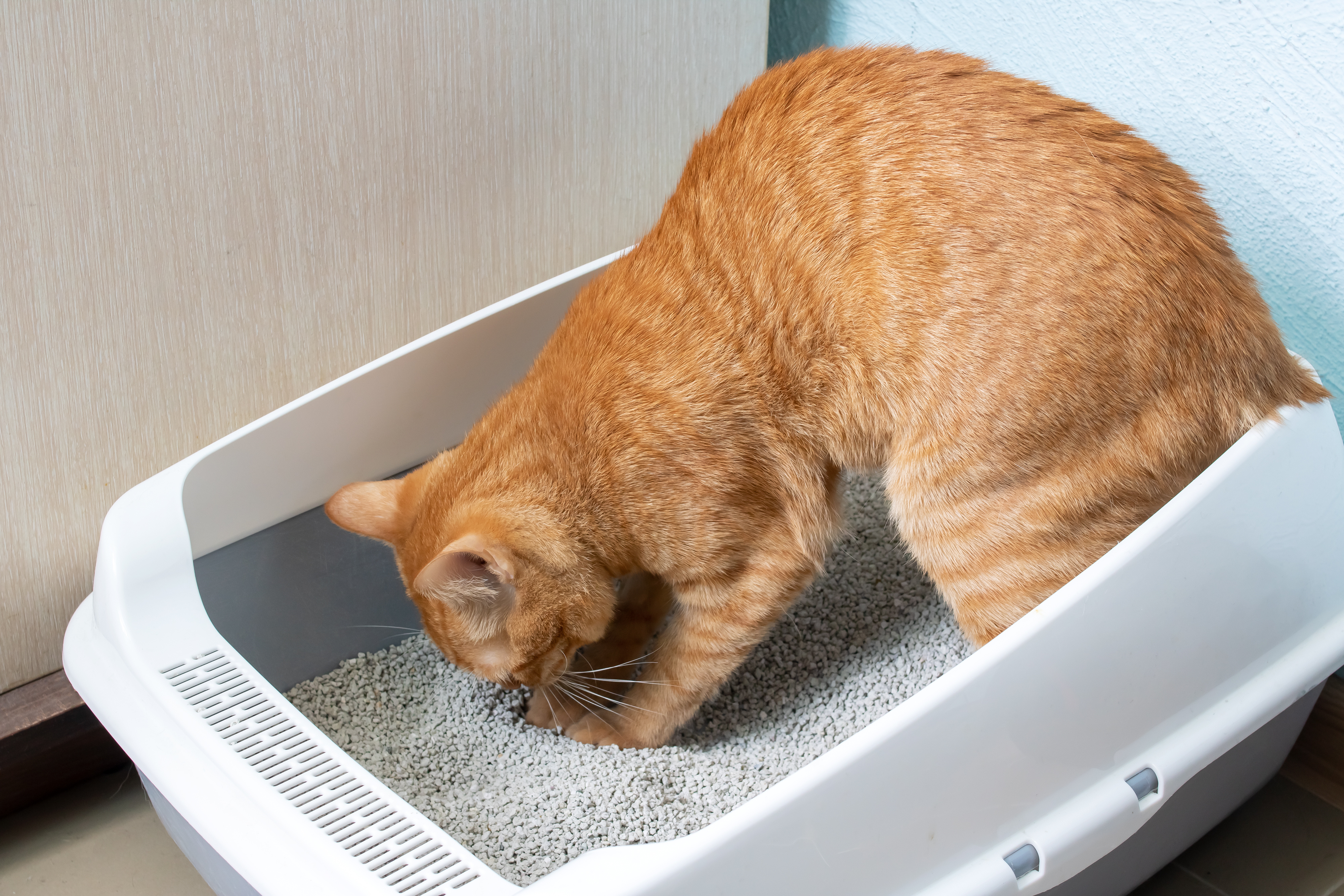
Diarrhea in Cats
Diarrhea in cats and kittens may occur from a multitude of underlying causes, ranging from benign to more serious reasons, and involve mild to severe symptoms. Read on to learn what signs and symptoms to watch out for, and when seeking medical treatment for your cat may be necessary.

Vomiting in Cats
Occasional, single episodes of vomiting in cats and kittens are a completely normal occurrence. However, if you find that your cat is becoming sick for a prolonged period of time, it may be an indication of an underlying condition. Read on to learn more about vomiting in cats and how it is evaluated and treated.

What To Do If Your Pet is Bleeding
A bleeding pet injury can be a scary and stressful experience, for both the owner and the furry family member. Knowing how best to approach your pet and perform first aid on bleeding wounds can help you attend to your cat or dog in even the worst of scenarios until you can get to veterinary care.

Urinary Incontinence in Dogs
Urinary incontinence in dogs is a common condition, but thankfully it’s one of the easiest to successfully treat. If you feel that your dog may be experiencing urine leakage, read on to learn more about what signs to look out for and how this condition may be treated.

Hypertrophic Cardiomyopathy (HCM) in Cats
The most common heart disease in cats is hypertrophic cardiomyopathy (HCM). This is a progressive disease that may lead to congestive heart failure or blood clots. While there is no cure for HCM, there are treatments available that may help to improve and maintain your cat’s quality of life. Read on to learn more about this disease and how it affects cats.

Hypercalcemia in Cats
Calcium is an important part of your cat’s health, but too much calcium, also known as hypercalcemia, may become a toxic and emergent health situation. Read on to learn more about how hypercalcemia might come about, and how to identify the signs and symptoms of this condition in your own cat.

Panosteitis (Growing Pains) in Dogs
You may be familiar with growing pains in children, but did you know that growing pains can also affect dogs? Also known as panosteitis, growing pains occur in adolescent dogs and can be a painful condition that causes episodes of lameness (a change in how one or more limbs function) without any known injury. Read on to learn more about this condition and how to identify the signs and symptoms of panosteitis in your own dog.

How to Check Your Dog or Cat for Lumps
It's not uncommon to notice a bump or lump on your pet's skin. Perhaps you feel something abnormal while petting your dog or cat, or spot an unusual swelling while cuddling up. While not all bumps are concerning, as a pet parent, you’ll want to monitor your pet for skin changes. This can help you spot a potential problem before it becomes severe. You can check your dog or cat for lumps while grooming them, bathing them, or whenever you can make time to inspect their whole body with your eyes and fingers.

Xylitol Poisoning in Dogs
Xylitol, a common sugar substitute found in many foods and non-food products, can cause a life-threatening toxicity in dogs, affecting their blood sugar and liver enzyme levels. You can first help your canine by making sure they avoid consuming products that contain xylitol, but if they do, assessment and treatment are necessary right away. Learn here what products to avoid and when to seek immediate treatment from your veterinarian.

Fatty Liver Disease (Hepatic Lipidosis) in Cats
A decreased appetite, even for just 2 to 7 days in cats, can lead to a rapid metabolization of extra fat cells. When this happens, an influx of fat cells enters your cat’s liver and may cause a blockage, resulting in a condition known as hepatic lipidosis (also referred to as fatty liver disease). This can be a life-threatening disease, but if caught early and treated appropriately, your cat can make a full and successful recovery.

Immune Mediated Hemolytic Anemia (IMHA) in Cats
Immune mediated hemolytic anemia (IMHA) in cats is a critical, life-threatening illness that occurs when your cat’s immune system begins attacking its own red blood cells. IMHA requires immediate medical attention and treatment. Read on to identify the signs and symptoms of this disease so you can seek out veterinary care right away, and learn about IMHA causes, diagnosis, treatment, and prevention.

Immune Mediated Hemolytic Anemia (IMHA) in Dogs
Immune mediated hemolytic anemia (IMHA) in dogs is a sudden, life-threatening illness that occurs when the body begins attacking its own red blood cells. IMHA requires immediate medical attention and treatment. As a pet parent, it’s a good idea to learn the signs and symptoms of this disease and know when to seek out veterinary care. It can help save your dog’s life.

Asthma in Cats
Much like asthma in humans, feline asthma is a common respiratory disease that is incurable but is generally manageable with medical intervention. It has a variety of underlying causes, and it may occur at any time. Asthmatic attacks may be life-threatening, but knowing what signs and symptoms to look out for and when to seek treatment may help keep your cat safe and living well.

Can Dogs and Cats get Monkeypox?
With monkeypox becoming a concern due to the recent spread of the virus in the United States, many pet owners are wondering how this disease might affect their own cats and dogs. Read on to find out more about how monkeypox may affect your dog or cat and what steps you can take to keep your furry family members safe and healthy.

Heartworm Disease in Cats
Although it is preventable, heartworm disease strikes millions of pets in the United States each year. The condition is caused by parasitic worms that spread through mosquitoes. The worms are called "heartworms" because of their tendency to reside in the heart, lungs, and nearby blood vessels of infected animals. However, when heartworms infect cats, they are more damaging to the lungs than the heart. As the worms grow, spread, and eventually die, heartworms can cause potentially fatal complications. Learn more about how to prevent and manage heartworm disease in cats.

Heartworm Disease in Dogs
Heartworm disease is a common infection in dogs. Heartworms are spread by mosquitoes, and dogs can contract this parasitic infection after being bitten by an infected mosquito. While this is a potentially fatal disease, it is also preventable and can be treated if diagnosed early. Read on to learn more about how to prevent and treat heartworm disease in your dog.

Triaditis in Cats
Triaditis is a condition in cats involving three different organs. The term is used when a combination of three diseases occur together: pancreatitis, inflammatory bowel disease, and cholangiohepatitis. Medical management and recovery involve addressing all three diseases. Cats may have a good prognosis when the condition is less severe and properly diagnosed and treated.

IVDD (Intervertebral Disc Disease) in Dogs
Intervertebral disc disease (IVDD) in dogs is a medical condition that causes spinal compression and requires immediate attention. Compression of the discs within the spinal vertebrae causes severe spinal and nerve pain, and sometimes even paralysis. Read on to learn what signs and symptoms to look out for in the event your dog may be experiencing IVDD, as well as the treatment and management options available.
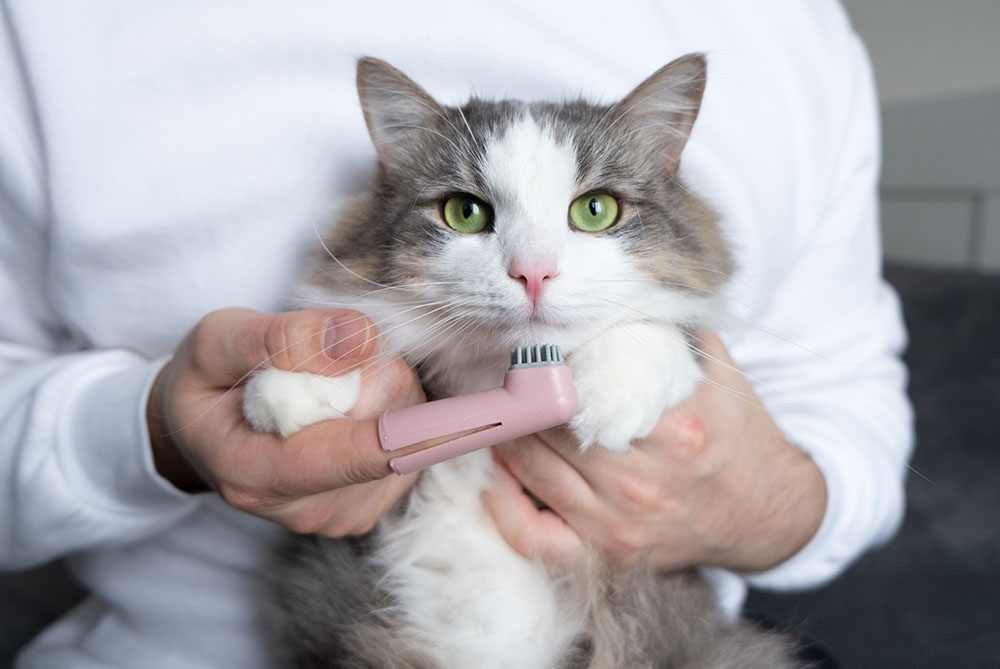
Cat Dental Care – How to Brush Your Cat’s Teeth
Regular brushing of your cat’s teeth is an important habit to incorporate into your daily care routine. At-home dental hygiene can help minimize the accumulation of plaque and tartar, which can also prevent your cat from developing systemic infections caused by the bacteria harbored in the mouth. While it may seem like a daunting task, read on to learn how to acclimate your cat to toothbrushing.

Liver Disease in Dogs
Liver disease is an umbrella term for conditions affecting the liver that typically cause damage and/or inflammation. This can be a primary liver problem or secondary to other underlying conditions. Left untreated, liver disease can have serious health consequences for your dog. Along with the guidance of your veterinarian, there are several preventative measures and treatment options available for liver disease that can allow your dog to live a long and healthy life.

Liver Disease in Cats
Liver disease is an umbrella term for conditions affecting the liver that typically cause damage or inflammation. Live disease can be primary or caused secondarily by another condition, infection, or toxicity. If left untreated, liver disease can have serious health consequences for your cat. Knowing the signs and symptoms of liver disease and when to seek appropriate medical care from your veterinarian can be vital in your cat’s recovery.
What is Liquid Biopsy in Dogs?
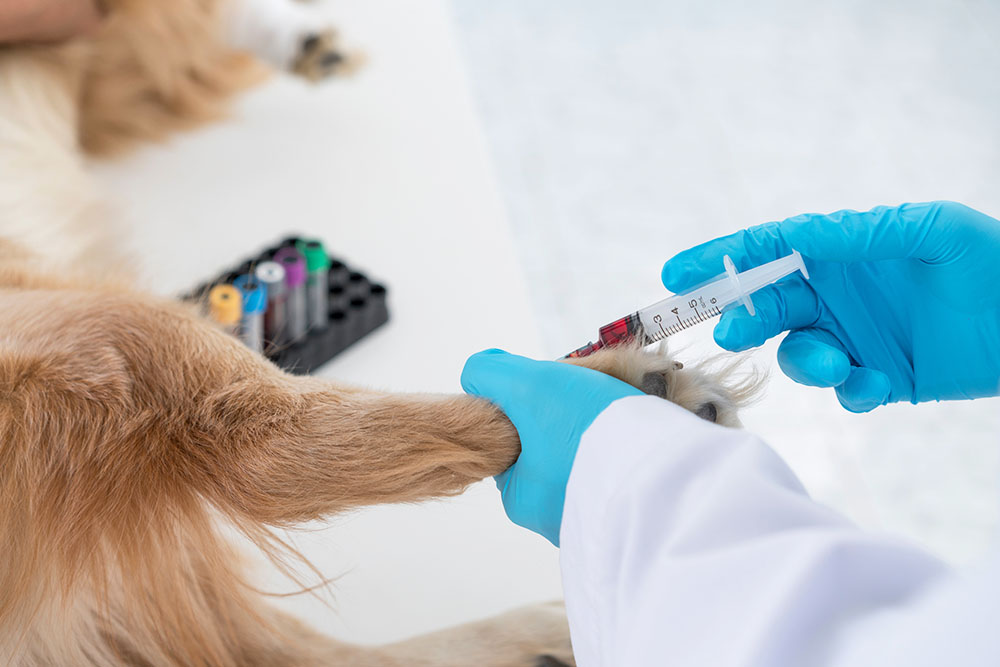
Each year, about 6 million dog owners in the United States receive bad news: their beloved dog has cancer. An estimated 1 in 3 dogs will develop cancer in their lifetime, which means they are about as prone to the disease as their human owners. But know this: early detection of cancer can help your dog live longer. And now, a new test called a liquid biopsy may begin to help veterinarians detect cancer in dogs, along with other diagnostic tests.

Cranial Cruciate Ligament Injuries in Dogs
The cranial cruciate ligament (CCL) is a ligament in dogs’ knees that helps to stabilize the joint. Injuries to the CCL cause instability in the joint, leading to lameness, pain, and arthritis. Depending on the severity of the injury, treatment options may include surgery and/or a variety of lifestyle modifications, pain medications and physical therapy.

Dilated Cardiomyopathy (Enlarged Heart) in Dogs
Dilated Cardiomyopathy, or an enlarged heart, is a type of heart disease that can affect dogs. It’s a serious condition, causing changes to the heart that can be fatal if not treated. It may be primary or secondary to another cause.

Feline upper respiratory infections (cat flu)
Feline upper respiratory infections describe a group of viral, bacterial, fungal, and parasitic infections that affect your cat’s upper respiratory tract. You might refer to them generally as “cat flu.” Your cat can have one or a combination of upper respiratory illnesses, the most common of which are feline herpesvirus and feline calicivirus. Upper respiratory infections are very contagious among cats, but they usually have a good prognosis when properly diagnosed and treated.

Hip dysplasia in dogs
A common condition occurring in large breed dogs, hip dysplasia, also called canine hip dysplasia (CHD), refers to the abnormal development of the hips and is characterized as having loose hip joints and subsequent degenerative joint disease. Along with the guidance of your veterinarian, medical and surgical options are available to treat hip dysplasia in your dog.

Whipworms in Dogs
Whipworms in dogs are an intestinal parasite. While not usually life-threatening, they can be dangerous for young or senior dogs, as well as those with compromised immune systems. It’s important to recognize the symptoms of whipworm infestation and treat them early for a speedy recovery.
Urinary Obstructions in Cats
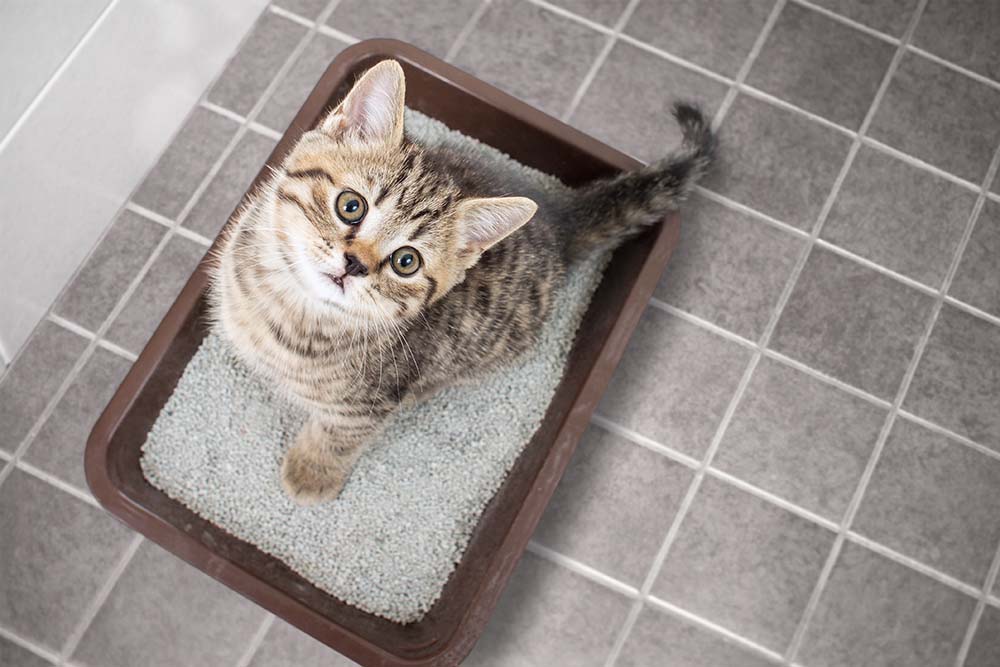
A urinary obstruction (UO) in cats, also known as a urethral obstruction or a blockage, is a life-threatening condition where the urinary tract becomes blocked. It’s predominantly seen in male cats, and requires emergency veterinary care. As a cat owner, make sure you’re familiar with the signs of a urinary obstruction, such as straining to urinate, so you can seek medical care immediately.

Senior Dogs 101: Common health issues in senior dogs
When we think of older dogs, the first thing that comes to mind is often a distinguished grey muzzle and a slightly slower pace of life. However, dogs also age on the inside, becoming more susceptible to illness and diseases. Here’s a list of the most common health issues faced by senior dogs and the symptoms you should watch out for.

Lymphoma in Cats
Feline lymphoma is one of the most common cancers in cats, and typically affects the gastrointestinal system. It is most often seen in senior cats, and the prognosis and treatment depends on the type of lymphoma diagnosed – small or large cell lymphoma. Small cell lymphoma may be managed for some time with medication, whereas large cell lymphoma typically requires surgery and chemotherapy, and has a poorer prognosis.

Lymphoma in Dogs
One of the most common cancers in dogs, lymphoma refers to cancer of the lymph nodes or lymphatic system. Without treatment, lymphoma carries a poor prognosis, but if diagnosed early enough, chemotherapy can help your dog to have a good quality of life for several months.

Small Door’s Summer Safety Tips for Pets
We want you and your pet to enjoy the summer by staying safe and healthy. Here are some top tips from Small Door’s Medical Chief of Staff, Dr. Jamie Richardson, to prepare you for the season!

How to Clean Your Dog's Ears
Ear cleaning is an important part of your dog’s regular wellness routine. While some dogs rarely need their ears cleaning, others rely on us to keep an eye on their ears and remove built-up debris and dirt to protect against ear infections. Learn more below about how to recognize when an ear needs cleaning, and the best method to use.

Arthritis in Cats and Dogs
Osteoarthritis is one of the most common conditions of the joints that affects both dogs and cats. Up to a quarter of dogs may develop arthritis during their lifetime, and veterinarians believe it may be more prevalent in cats than previously thought. While the disease is most often found in senior pets, it can affect dogs and cats of all ages.

How to Prepare Your Pet for Your Return to Work
Our pets have loved having us around nearly 24/7 as we’ve been working from home and adjusting to life amidst the coronavirus. While it’s great to spend time together, it’s also important to prepare for life after this new normal. There are steps you can take now to prepare your pet for your return to work, when they can’t be with you all the time.

Managing Anxiety in Cats
Anxiety is a very real problem that can not only cause our cats severe emotional distress, but can also exacerbate or cause a number of medical problems, including urinary tract issues. Cats suffering from anxiety may also engage in unwanted behaviors, including urinating outside of the litter box or vomiting. Read on to learn more about the causes and symptoms of anxiety, and the things you can do to help treat and manage your cat’s anxiety.

Luxating Patellas in Dogs and Cats
Luxating patellas in dogs and cats are a common orthopedic condition that can cause lameness. Luxation occurs when the patella, or kneecap, slips in and out of the groove in the femur where it should normally reside. When this happens, you may notice changes to your pet’s gait, including lameness and signs of pain, however some cases can be asymptomatic. Depending on the grade of patella luxation and clinical symptoms, it is generally treatable with orthopedic surgery. Occasionally, a luxating patella can lead to other conditions, like torn cruciate ligaments, which is why it is important owners take the condition seriously and consult with their veterinarian.

Hypothermia and Frostbite in Cats and Dogs
Winter might bring to mind pleasant thoughts of tossing snowballs to your dog in the yard or cuddling with your cat beside a roaring fire, but it also comes with dangers. Just like humans, dogs and cats are susceptible to colder temperatures. Hypothermia and frostbite can affect all pets who venture outdoors for too long in the cold.

Everything You Need to Know About Worms in Cats
Discovering your cat has worms can be shocking and upsetting. Whether they’re external or internal, these parasites can wreak havoc on your cat’s health. But with proper diagnosis and treatment, worms in cats can be effectively treated and eliminated.

How to Keep Dogs and Cats Safe when De-Icing
Ice melting agents like harsh chemical de-icers and rock salt are necessary in colder climates. While they help by melting snow and ice on driveways, yards and sidewalks, some are toxic and potentially fatal if ingested by dogs and cats, and need to be avoided as much as possible. Read on to learn about the dangers of de-icing, and ways you can protect your pets during wintertime.

Ear Infections in Cats
Ear infections are a common feline condition, but can result in permanent complications if left untreated. They can have a variety of causes, and may affect the outer, middle, or inner ear. Regardless of cause, ear infections are typically a treatable condition. Identifying a possible ear infection quickly means you can treat it before it causes complications. Fortunately, the symptoms of an ear infection are generally easy to recognize.
Everything You Need in Your Pet’s First Aid Kit
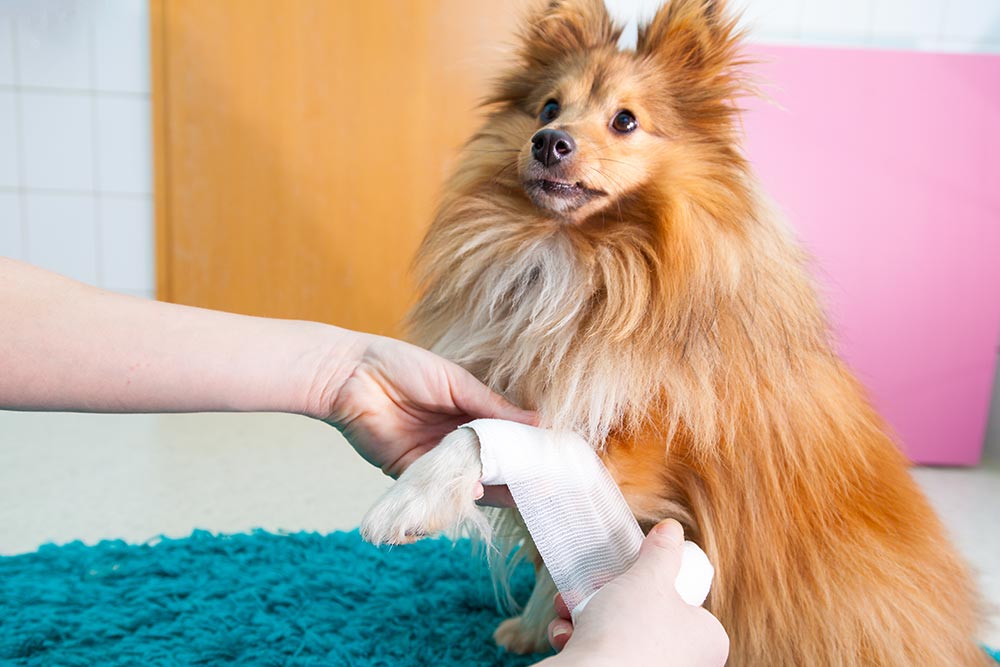
Emergencies can strike at any time, so it’s important to prepare a first aid kit for your pet that you can turn to in the event of a veterinary emergency or natural disaster. As these situations often arise without warning, having a kit with the necessary supplies can make all the difference and may even save your pet’s life.

Winter Holiday Pet Hazards
The winter holidays are one of the best times of the year to get together and celebrate with family, including our furry family members. But amidst all the festivities, it may be easy to miss some of the hazards our pets face during the holidays. Here are some helpful tips to keep your pets safe over the next few weeks.

Thanksgiving Food Your Pet Can and Can’t Eat
As you’re preparing your Thanksgiving feast, you may wonder what treats you can safely share with your pet. As the number of accidental poisonings soar over Thanksgiving and the holidays, with pets getting into delicacies intended for their humans, it’s important to know which tasty treats are safe and which to steer clear of.

How to Cat-Proof Your Christmas Tree
For many of us, a Christmas tree will be at the center of celebrations this holiday season, but it’s important to make sure you decorate in a way that keeps your pets safe. Read on to learn why cats are attracted to Christmas trees, what the dangers are, and how to cat-proof your tree and keep your kitty safe over the holidays.

How to Tell if Your Dog Has Worms
Parasites are not just unpleasant: they can be downright dangerous for dogs. But one big problem with parasites is that it can be hard to tell if your dog is infested. The symptoms of worms in dogs can be similar to those caused by other conditions, which means you need to know what to look for. Read on to learn more about worms in dogs, and how to treat them.
Everything You Need to Know About Catnip
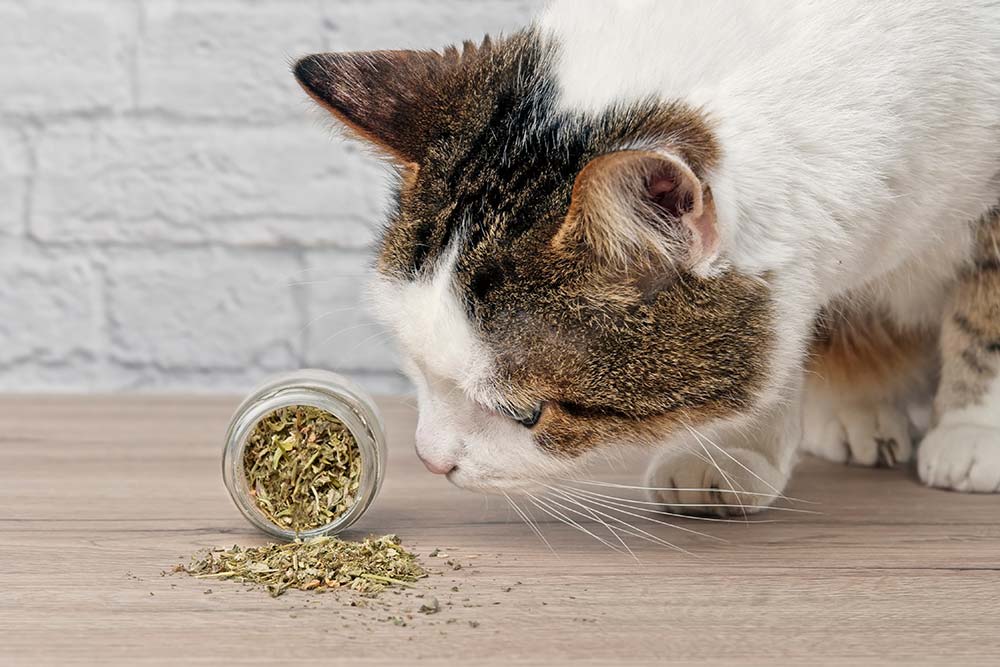
If you’re a cat owner, the chances are you’ve heard of catnip and its reputation for driving kitties crazy. But what actually is catnip? How does it work, and is it safe for your cat? Read on to find out everything you need to know about catnip.

Calming Pheromones for Cats and Dogs
Pheromones are natural chemicals released by animals (and people) that help members of the same species to communicate. Pheromone diffusers, sprays, and other products mimic these chemicals to help keep pets calm and relaxed.

Managing Anxiety in Dogs
Anxiety is a very real, common emotion that dogs experience. While it’s difficult to see our furry friends exhibit distress, these feelings are normal responses to the triggers that cause them in the first place. Read on for common sources of anxiety in dogs, and different ways to manage those emotions.

Feline Lower Urinary Tract Disease (FLUTD)
Feline Lower Urinary Tract Disease (FLUTD) is a blanket term used to describe several conditions affecting the bladder and urethra of cats. There are a few different underlying causes of FLUTD, many of which exhibit similar symptoms, such as difficulty urinating and urinating outside the litter box.

Leptospirosis in Dogs
Leptospirosis is a dangerous bacterial disease that affects dogs and other animals, including people. It can cause kidney and liver failure, and in severe cases it can be fatal. Luckily, there are things you can do to prevent leptospirosis – most importantly, vaccinating your dog. Understanding how this disease is spread and the preventative measures you can use can help keep your family safe.

Managing Obesity in Cats and Dogs
Weight management can be a big problem for pets. Approximately 60% of cats and 55% of dogs in the United States are either overweight or obese. Not only can this impact your pet’s quality of life, making it harder for them to enjoy walks and playtime, but it can also lead to medical issues such as diabetes, pancreatitis and arthritis. Read on to learn more about the risk factors for obesity in pets, and how you can help your pet lose weight safely, if needed.

Ear Hematoma in Dogs
A hematoma is a pool of blood that forms outside of blood vessels and is usually found under the skin. Commonly found in dogs, an ear hematoma, also referred to as an aural hematoma, is a blood-filled pocket on the inside of the ear flap. An ear hematoma is extremely painful for a dog, and the intense swelling can be alarming. If left untreated, a hematoma will heal on its own, but that can mean weeks of discomfort.
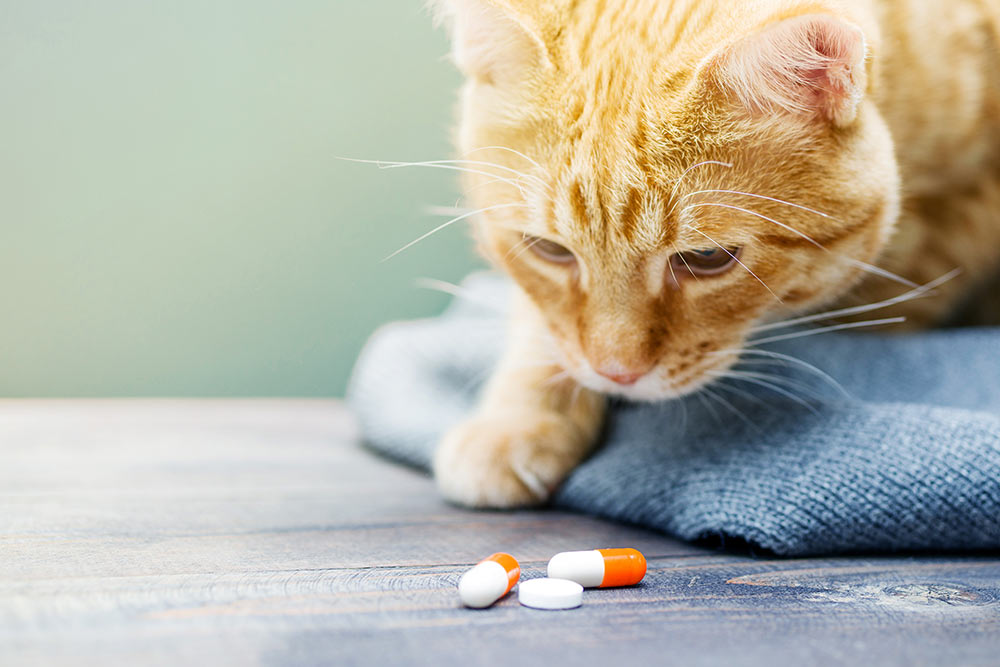
How to Give a Cat a Pill
Getting an unwilling cat to swallow a pill is a challenge many owners struggle with. Check out our video and step-by-step guide below on how to get your cat to accept medication – avoiding any claws, wriggling or spitting the pill back out!

Catios & Cat Enclosures for Indoor Cats
A ‘catio’, also known as a cat patio or cat enclosure, is a great way to solve the indoor/outdoor dilemma that many cat owners experience. Catios provide important enrichment to indoor cats, allowing them to observe and experience the outdoors and all of its sights, smells and sounds, without some of the dangers associated with being an outdoor cat.
Pet Insurance 101
When your pet suddenly gets sick or injured, pet insurance can make the difference between a difficult decision and life-saving care. With so many providers, policies, and add-on options to choose from, it’s easy to feel overwhelmed. Doing a little research upfront can help you find the best plan for you and your pet.

Deaf Dogs 101
Deaf dogs are just like hearing dogs! Whether you have a deaf dog or you’re thinking about adopting one, deaf dogs make for great companions, as long as you give them the resources and tools they need to succeed.
Corneal Ulcers in Dogs
When the cornea is damaged through scratching or abrasion, a corneal ulcer may occur. A healthy cornea is important for proper vision, so any damage to your dog’s cornea should be addressed immediately. Learning the signs and symptoms of corneal ulcers in dogs can help you catch and treat this issue before it becomes more severe and possibly permanent vision loss.

Cat Pregnancy Facts
No matter how isolated your female cat is, if she has not been spayed, there is always a chance she could get pregnant. Whether she is around an unneutered male in your home or briefly encounters one outside (cats can easily slip outdoors by accident), even a single encounter can result in pregnancy. So how can you tell if your cat is pregnant? And if she is, what are the next steps to take?

Euthanasia – What To Expect
The decision to say goodbye to your family member can be one of the most difficult you’ll have to make. We’re here to guide you through the process with compassion. Knowing what to expect can make the process a little easier.

Diarrhea in Dogs
Diarrhea in dogs—commonly defined as loose, watery, or runny stool—has a wide range of possible causes. Some of the diseases or conditions that produce diarrhea are mild, while others are more serious.

Pet Travel Certificates Explained
If you’re planning a trip and your furry friend is tagging along, there are a few steps you’ll need to take in preparation. Planning ahead is key. From traveling to a different state to jetting to another country, requirements will differ based on your destination.

Sarcoptic Mange in Cats
Sarcoptic mange is a skin disease caused by tiny mites known as Notoedres cati (also known as feline scabies). Cat mange causes extreme itching and scratching, discomfort, hair loss, sores, and more.
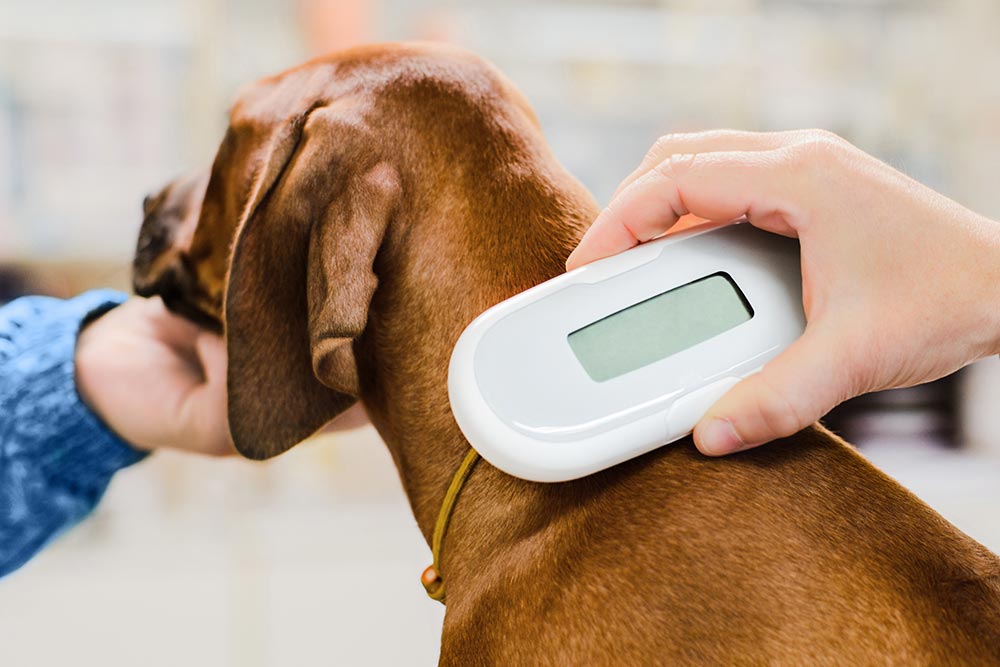
Why You Should Microchip Your Pet
You can think of a microchip as your pet’s form of identification. Microchipping your pet vastly increases the likelihood of reuniting with them when lost, as collars and ID tags are not foolproof. However, what many owners don’t know is that it’s equally important to make sure the microchip record is kept up to date with your current contact information.

Flea Infestation in Dogs
Fleas are parasitic, wingless insects that feed off the blood of their hosts. There are approximately 2,200 types of fleas worldwide, but in North America there are only a few that commonly infect animals: Ctenocephalides felis (the cat flea) and Ctenocephalides canis (the dog flea). Oddly enough, the most common fleas found on dogs are cat fleas, which can cause not only itching and irritation but transmit infection as well.

CBD for Pets: Everything You Need to Know
The use of cannabidiol, or CBD, is well researched in human medicine. The benefits and effectiveness for animals is not as widely known, but there are a variety of ways that CBD could potentially help your pet.

Registering your Dog in New York City
Did you know that you must register your dog for a license if you live in New York City? Your dog’s license is a metal tag that you keep on their collar. It can help find your dog if they’re lost, and it has other legal benefits when living in NYC.
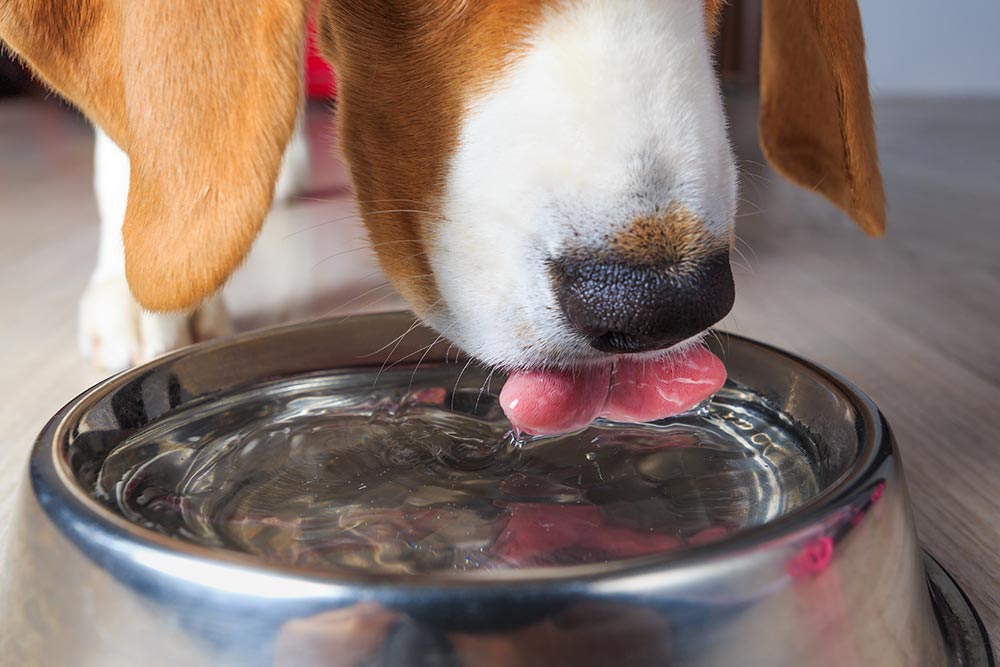
Dehydration in Cats & Dogs
Dehydration is a serious concern for both us and our pets, particularly during the summer months. If your pet doesn’t take in enough water on a warm day, dehydration may come on quickly, so it’s important to know the signs, how to treat it and when to call the vet. Read on for all this, and tips on how to keep your pet well hydrated.
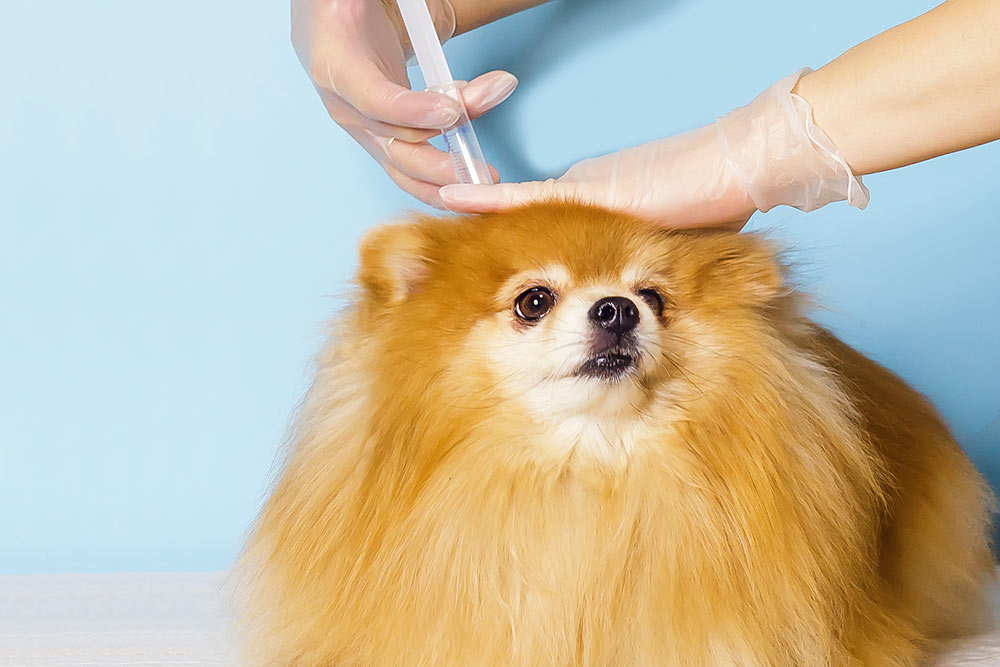
Dog Vaccine Schedule: A Guide To Dog & Puppy Shot Schedules
Vaccinations, or shots, are one of the key components of preventative wellness care. They protect your dog from serious diseases by building their immunity. Administering vaccines and boosters at the right time over your dog’s lifetime is really important, as immunity fades over time. Check out our handy guide below to learn more about dog vaccines and schedules.
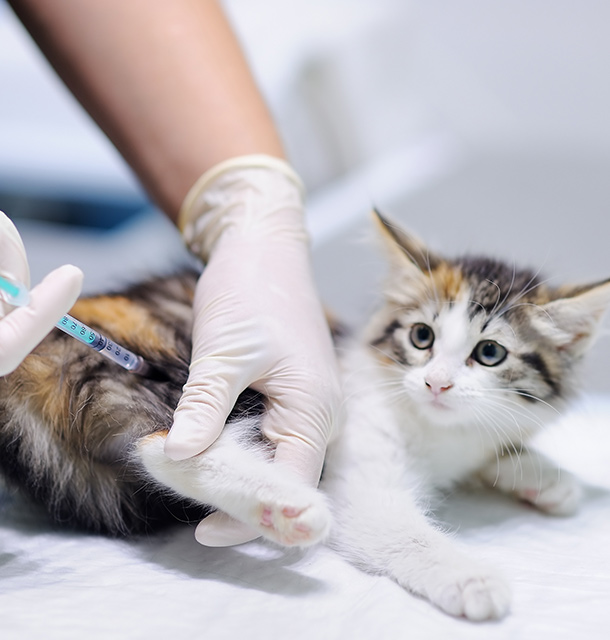
Vaccine Schedules for Cats & Kittens
Vaccinations are a crucial tool to help keep your cat healthy. They help your cat build immunity to protect them against serious infectious diseases, and help to stop the spread of those diseases. As immunity fades over time, it’s really important to administer vaccine boosters to your cat throughout their life, at specific times. Read on to learn more about cat vaccines and schedules.

How to Choose the Right Toys for Your Cat
Toys play an incredibly important role in stimulating your cat, helping to maintain their behavior and well being, as well as providing exercise. They’re particularly crucial for indoor cats, who may not enjoy as much stimulation as their outdoor counterparts. With hundreds of options available, it can be tricky to figure out what toys are best for your cat. Check out our tips below to keep your feline friend entertained and safe.

Lupus in Dogs
Lupus in dogs is an autoimmune disease that can be difficult to diagnose and treat; and once it develops it requires lifelong management. However, understanding the symptoms, diagnostic process, and the available treatment options can help you manage your dog’s condition as well as your own expectations.

Preparing Your Pet for Fireworks
Summer and July 4th bring warm weather and fun celebrations, but they also bring stressful situations like fireworks. The loud noises and vibrations of fireworks can cause many pets to feel anxiety. It’s important to learn ways to help your pet through the stresses that come with fireworks.

How to Choose the Right Toys for Your Dog
While some may consider toys a luxury, they actually play an important role in maintaining your dog’s well being, providing much needed mental stimulation and helping to regulate behavior. There are hundreds of different types of dog toys on the market and it can be difficult to know which toys are best for your dog. Read on for our top tips to entertain your dog safely.

Exercise Needs for Puppies, Adults and Senior Dogs
Dogs need exercise to maintain happy and healthy lives, just like people do. Your dog’s exercise needs will vary depending on their age and breed. So, it’s important to tailor your pup’s exercise according to their stage of life.

Bladder Stones in Cats
Bladder stones, scientifically known as cystoliths or cystic calculi, are a common condition for felines. These stones range in size from microscopic to several millimeters (or even larger!) in diameter, and can have mild to life-threatening side effects in cats. Bladder stones in cats are formed when minerals and other substances clump together, or aggregate. This can lead to mild or serious complications, including irritation of the bladder lining, urinary tract infection, and urethral obstruction. All cat owners, especially owners of male cats, need to understand the signs and risks associated with bladder stones to help reduce the risk of a life-threatening obstruction.
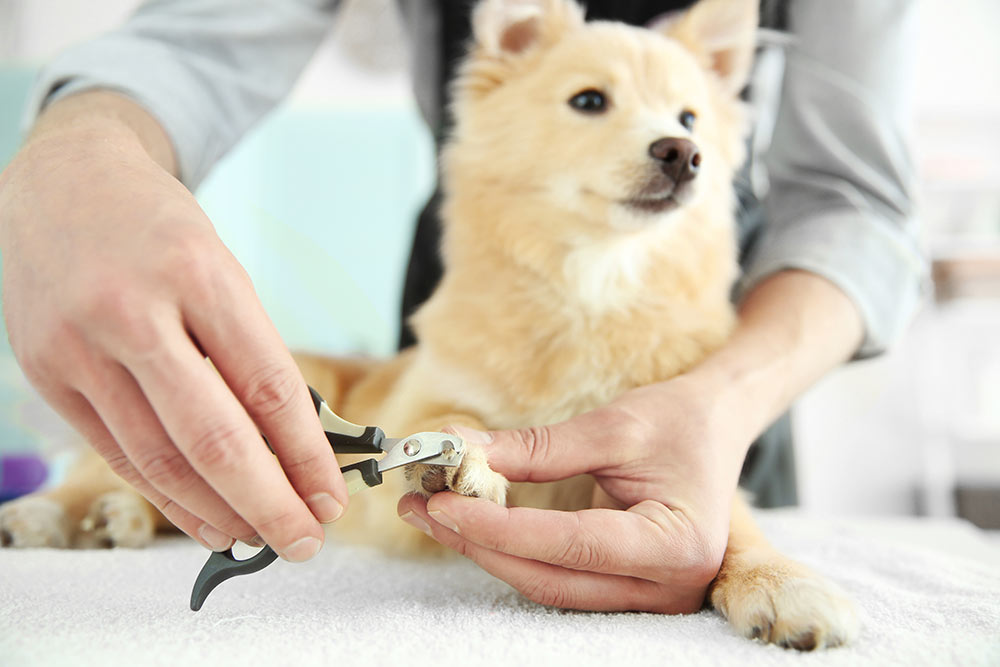
How to Trim Your Dog’s Nails
Nail trimming is something that many dogs (and dog owners) dislike. And although it’s an experience they may never come to love, it’s important to help your dog learn to tolerate nail trimmings as early as possible, to keep their paws healthy and pain-free. Check out our tips below to learn how to trim your dog’s nails, and to help your dog accept the process with no anxiety.

Vomiting in Dogs
As unpleasant and distressing as it might be, vomiting is not uncommon for dogs. There are numerous contributing factors that can lead to this uncomfortable yet important function. If a dog throws up once and is otherwise behaving normally, this generally isn’t cause for concern. However, vomiting can be a sign of a more serious health issue, particularly if other abnormalities – such as diarrhea, lethargy, or loss of appetite – are present. Additionally, young puppies that haven’t yet been fully vaccinated are at greater risk of contracting a serious disease or infection, so if your puppy is vomiting and you suspect a serious health issue could be the cause, contact your vet immediately.

Why is my dog not eating and what can I do?
Dogs love to eat. Whether they’re making puppy-dog eyes at you from beneath the dinner table, or lunging for that pizza crust on the sidewalk, it often seems as though their main mission in life is getting food. So if your pup has suddenly lost their appetite, it’s bound to be a bit concerning.

Kitten 101: Introducing a new cat into the home
A kitten or cat of any age needs time to adjust and adapt to a new home. This is especially true when you introduce a new cat or kitten to your existing pets. While cats tend to be more solitary creatures than our canine friends, they are often found in familial groups in the wild and do enjoy company. It’s important to be patient and consistent when introducing a new cat to your feline family.

Kitten 101: Creating Positive Behaviors
Instilling good behaviors in your new kitten takes practice and patience. It’s important to be consistent and make sure they learn appropriate, positive behaviors to grow into a well-mannered adult cat. There are four key processes you can use to help your kitten learn these good practices: socialization, habituation, stimulation, and training.

The Difference Between Food Allergies and Environmental Allergies in Dogs
If your pup suffers from itching, hair loss, skin infections, or ear infections, she may have allergies. But does she have a food allergy, seasonal allergies, or both? The symptoms may be similar, but they require different treatments, so read on to learn more about how to identify and deal with canine allergies.

Reverse Sneezing in Dogs
Ever seen a dog take rapid, long inhalations, stand still, and extend her head and neck, making a loud snorting, gagging or honking sound? Then you’ve seen a reverse sneeze. Also called a backward sneeze or inspiratory paroxysmal respiration, it’s a common respiratory event in dogs.

Euthanasia and Quality of Life Assessment
Euthanasia can be a very difficult, emotional, and uncomfortable topic to think about. But when a pet is suffering from a painful or debilitating condition, it is one of the most loving and humane things we can do for them.

Eye Inflammation (Blepharitis) in Dogs
Blepharitis refers to inflammation of the eyelids and the tissues in and around the eye. It can be a painful condition and, if not diagnosed and treated properly, can result in vision problems.
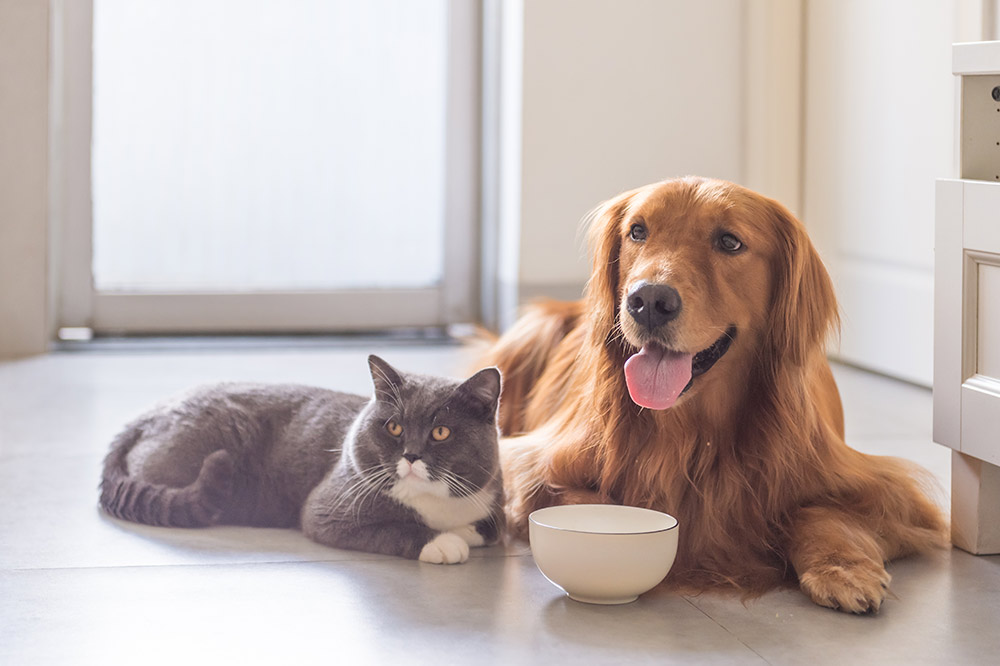
Human Food That Makes Good Pet Treats
When you’re stuck indoors, sometimes you need to find creative ways to make the most of what you already have. First toilet paper disappeared off store shelves, and now pet food is becoming a hot commodity. If your dog or cat can’t get a fix of their go-to treats, here are some human foods you can safely substitute.
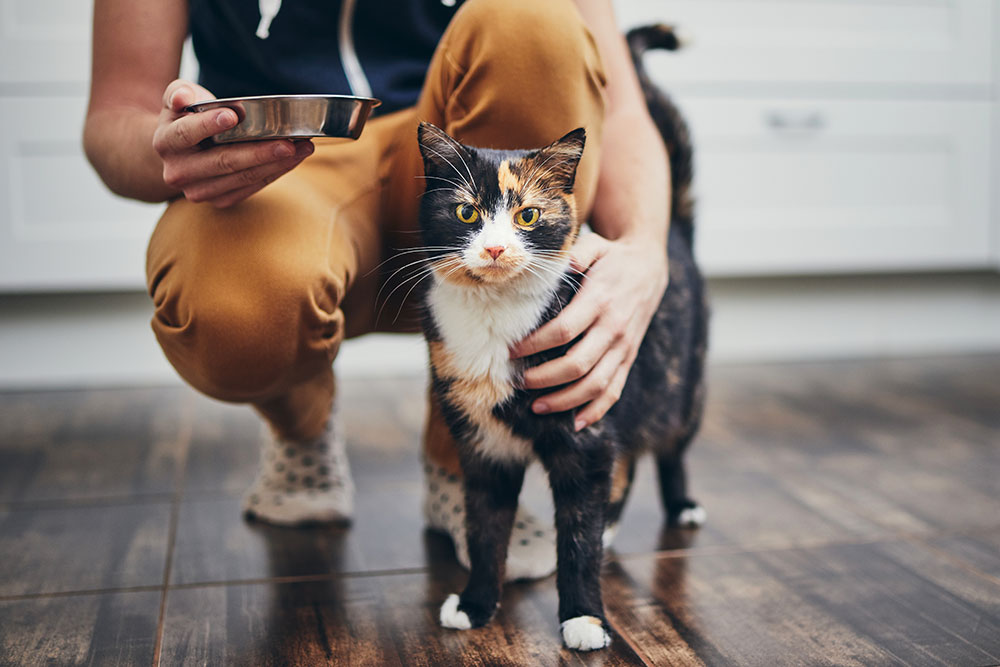
Pet Supplies You Need For Self-Isolation
With empty shelves in the stores and panic buying rife, many people are thinking about stocking up in case they need to self-quarantine or are faced with a shelter-in-place order. And while there’s no need to go crazy, it’s not a bad idea to have some supplies on hand, and that includes stocking up for your pets. But what do you actually need to make sure your pets are safe and happy when it comes to a self-isolation period? Read on for our comprehensive guide.

Common Household Pet Poisons
It can feel daunting to keep your furry friends happy and healthy with so many toxic things around – especially in the household. With so many of them right under your nose, use this list to pet-proof your home and learn what to do if your pet has ingested any poisonous products.

Hives in Dogs
Hives in dogs are usually a symptom of an allergic reaction. While most cases of hives are not life-threatening, hives can also be a sign of more dangerous allergic reactions or toxicities. Learning to recognize signs of allergic reactions, like hives, can help you get your dog the medical assistance she needs in a timely fashion.

How to Keep Your Dog Entertained Indoors
Being stuck at home is disappointing for both you and your dog. We all know an active dog is a happy dog, but even if you can’t get out as much as you’d ideally like to, there’s still plenty you can do at home to help keep your dog stimulated and entertained. Check out our tips below for how you can keep your dog entertained indoors.

Bloat in Dogs (GDV)
Bloat, also known as gastric dilatation and volvulus (GDV), is a common yet life-threatening condition most often affecting large and giant breed dogs. Dilatation occurs when the stomach fills up with gas and/or fluids, while volvulus refers to a twisting or rotation of the stomach, which in turn prevents the normal release of its contents. Twisting of the stomach can also damage the stomach’s blood supply. GDV is a painful, potentially fatal condition that requires immediate medical and surgical attention.

How to Play With a Kitten
Playing with your kitten is not only fun—it’s an important part of the bonding process between you and your new pet! Kittens need plenty of playtime and socialization to grow into happy, well-adjusted adult cats.

Giardia in Dogs
Giardia in dogs can be contagious to humans and other household pets. After the initial infection, giardia can quickly spread in situations where dogs are living together in large numbers, like animal shelters and kennels. Knowing the symptoms and understanding the risks will help you get your dog back to health and prevent the spread of this unpleasant disease.